13 August, 2026
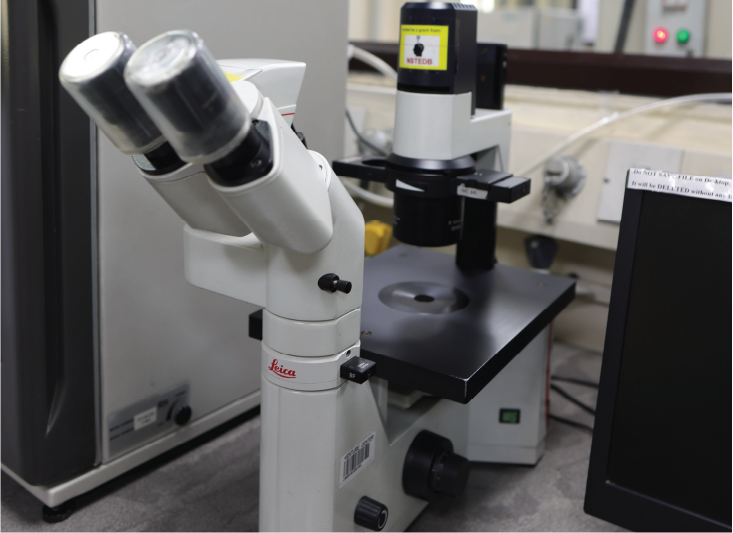
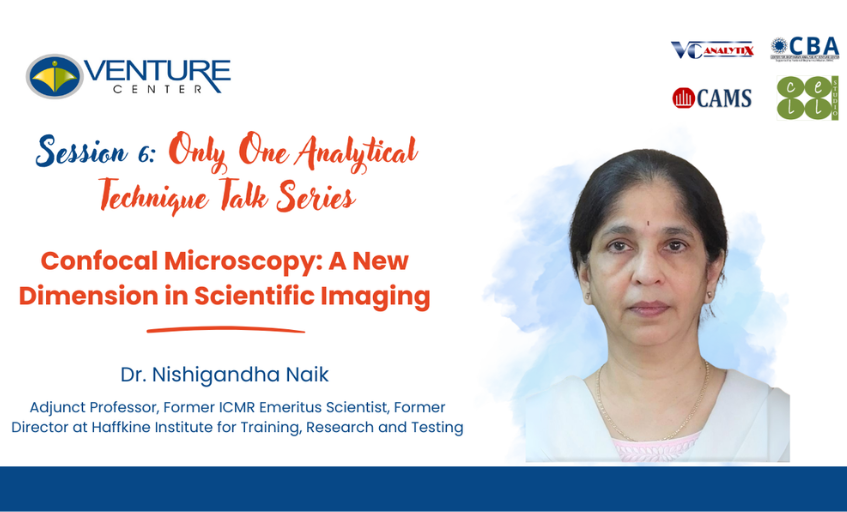
Explore confocal microscopy and confocal imaging for 3D cell imaging, live-cell studies, molecular interactions, drug research, and advanced scientific imaging at Venture Center.
Read more
11 June, 2026
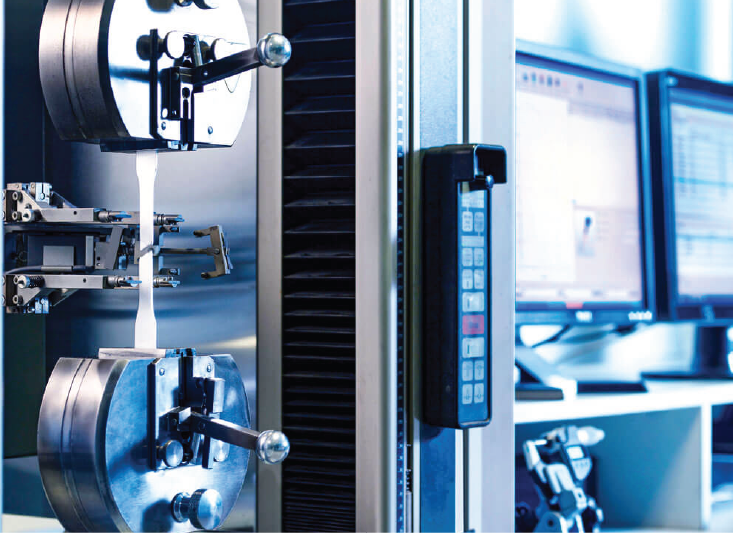
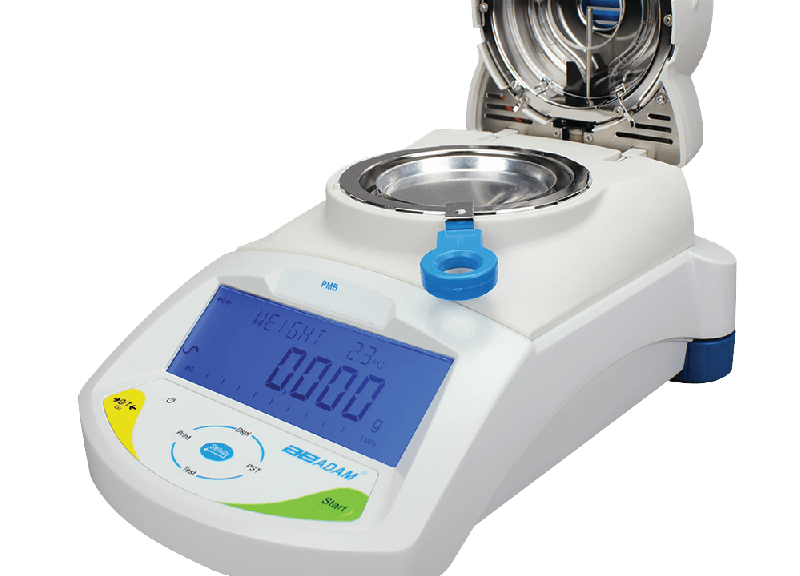
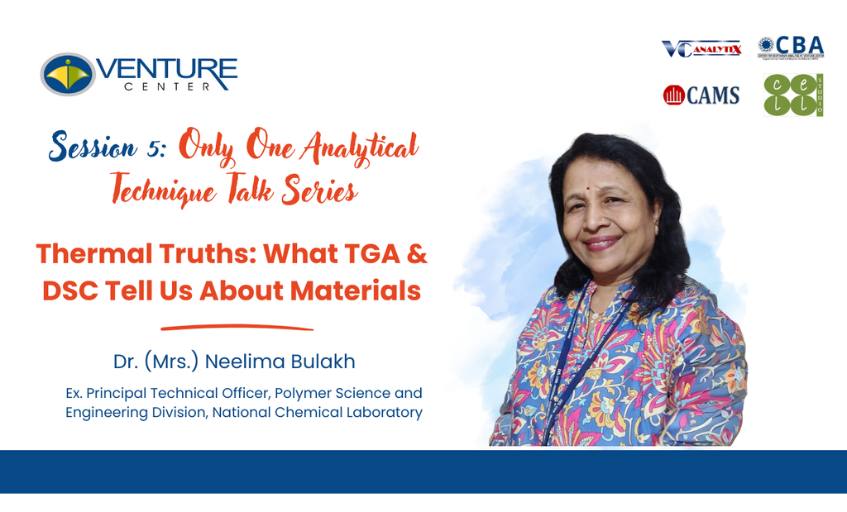
Two of the most widely used thermal characterization techniques are Thermogravimetric Analysis (TGA) and Differential Scanning Calorimetry (DSC). Together, these methods provide detailed insight into material stability, degradation behavior, thermal transitions, crystallization, curing, filler content, and processing characteristics.
This article explores the principles, interpretation, and practical applications of TGA and DSC, along with how these techniques are used in real material analysis workflows.
Read more

09 May, 2026
Particle size is one of the most critical parameters influencing the behavior, performance, and quality of materials across industries. From pharmaceuticals and paints to metallurgy and food systems, particle size directly impacts properties such as flowability, dissolution, stability, and even appearance. In a recent technical session hosted through Venture Center Analytical Services, the fundamentals of particle size analysis (PSA) were explored in depth.
Read more
30 March, 2026
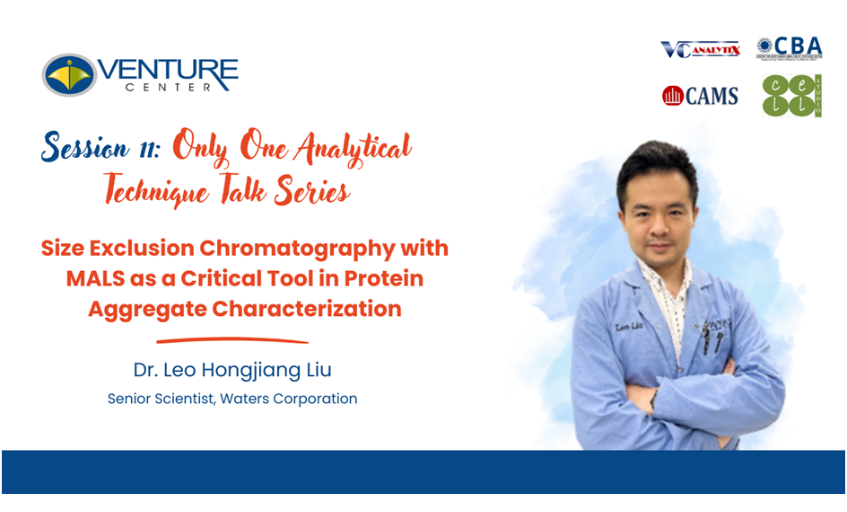
Size exclusion chromatography combined with multi-angle light scattering (SEC-MALS) has become a powerful analytical approach for characterizing biomolecules under native conditions. It enables direct measurement of molar mass, aggregation, fragment profiles, and conjugation ratios — without relying on column calibration assumptions.
In a recent technical session hosted by Venture Center’s bioanalytical facility, experts demonstrated how SEC-MALS strengthens workflows for monoclonal antibodies, biosimilars, antibody-drug conjugates (ADCs), antibody-oligonucleotide conjugates (AOCs), glycoproteins, pegylated proteins, and peptide therapeutics. The method supports both research and quality workflows by delivering absolute molar mass and composition data in a single run.
Read more
26 March, 2026
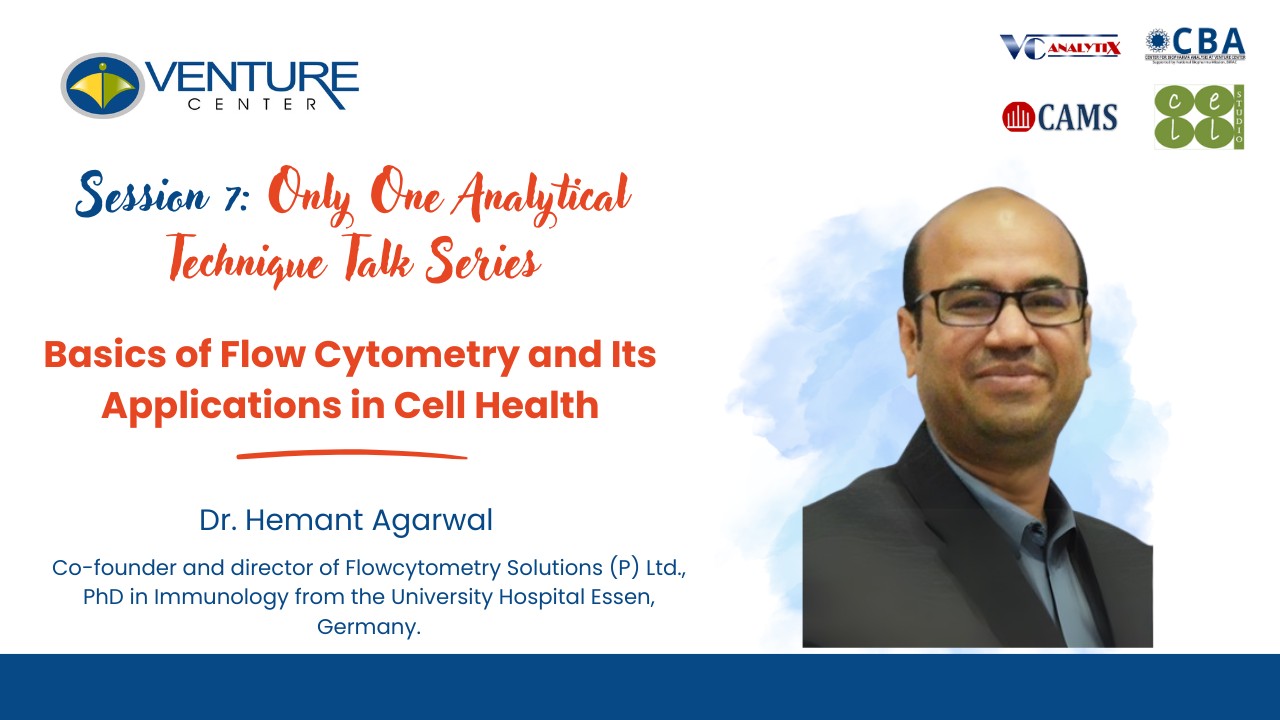
Flow cytometry has become a central analytical technique for researchers studying complex and heterogeneous cell populations. By allowing cells to flow one by one through a focused laser beam, the technology captures both physical characteristics—such as size and granularity—and molecular signatures revealed through fluorescence. This combination of speed, sensitivity, and multiparametric capability makes flow cytometry especially powerful for identifying specific cell subsets, evaluating functional states, and monitoring cell health under different experimental conditions.
Read more

08 November, 2025
The rise of biologics and biosimilars has transformed drug development, bringing forward new therapies like monoclonal antibodies (mAbs) and insulins. Yet, ensuring their quality and regulatory approval hinges on a key component: cell-based functional assays (CBFAs). In this blog, we highlight insights from Venture Center’s session on how CBFAs function as critical quality attributes (CQAs) in biologics development and biosimilar approval.
Read more