

Most startup conversations today tend to orbit around momentum.
How quickly can you scale? How fast can you grow? How soon can you raise the next round?
But Venture Center’s recent evening with Dr. Anand Deshpande took a noticeably different direction — one that felt slower, deeper, and perhaps far more relevant for founders building in science and deeptech sectors where timelines stretch longer and progress is rarely linear.
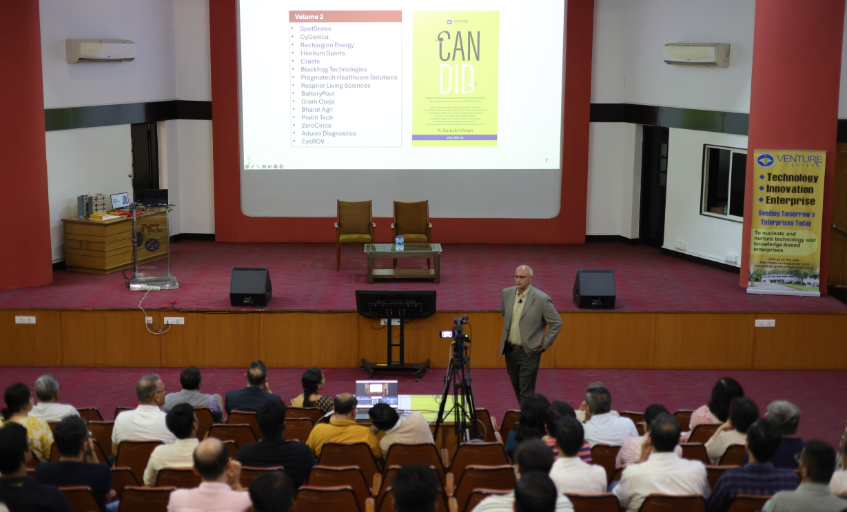
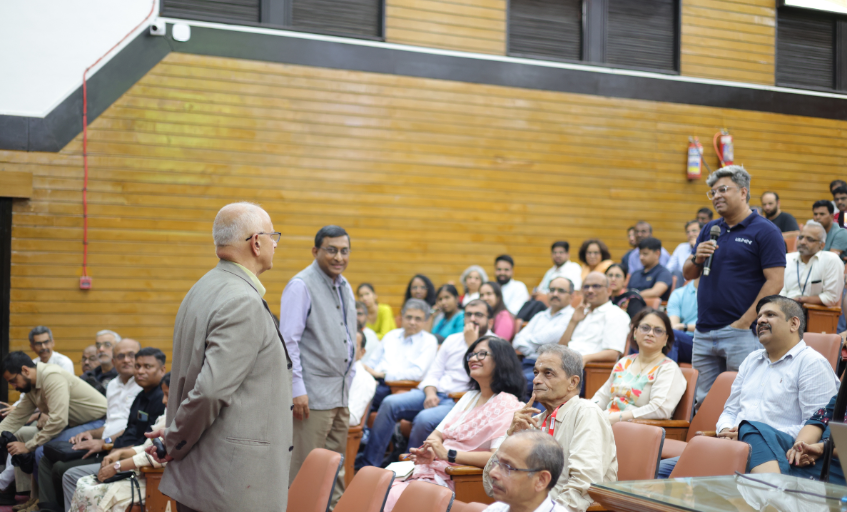
Held on 22 May 2026 at the CSIR-NCL Auditorium, Pune, the event featured Dr. Anand Deshpande, Founder, Chairman and Managing Director of Persistent Systems, speaking on “Scaling Technology Startups”, followed by the launch of CanDid Vol. 2 authored by senior journalist N. Ramakrishnan.

What unfolded over the evening was not simply a startup talk or a book launch. It became a broader reflection on what it actually means to build enduring technology ventures from India — especially when the work involves long development cycles, difficult commercialization journeys, institution-building, and years of persistence before visibility arrives.
Customers Don’t Buy Technology
One of the strongest ideas from Dr. Deshpande’s talk was also one of the simplest:
Customers do not buy technology; they buy solutions to problems.
For founders coming from research or engineering backgrounds, this distinction can completely change how they think about innovation. Founders naturally speak about technical sophistication; customers care about whether the product solves something meaningful in their lives or businesses.
Referring to Clayton Christensen’s “Jobs To Be Done” framework, Dr. Deshpande explained how customers essentially “hire” products to accomplish specific tasks.
The examples he shared brought the idea alive immediately.
He spoke about GE Healthcare’s MRI division, which shifted from selling technical specifications to solving practical hospital problems like patient throughput and scan efficiency. In another example, GE transformed pediatric MRI scans into immersive adventure experiences because the actual problem was not imaging quality — it was helping frightened children stay calm during scans.
He also revisited Christensen’s famous “milkshake” example, where commuters were not buying milkshakes as desserts at all, but as convenient breakfast companions during long drives to work.
The lesson was clear: understanding the customer’s problem matters more than falling in love with your own technology.

Define the Market You Can Lead
Another major theme from the evening centered around market definition.
Dr. Deshpande argued that startups often fail because they try to enter markets that are too broad. Instead, founders should define markets narrowly enough that they can realistically become leaders within them.
The Paper Boat story captured this perfectly.
Rather than competing directly with Coke or Pepsi, Paper Boat created an entirely different category around nostalgia, regional Indian flavors, and familiarity. Drinks like Aam Panna and Jaljeera were marketed not simply as beverages, but as memories and experiences. Even the packaging played a role — the now-distinctive pouch design immediately stood apart from conventional soft drink bottles and reinforced the brand’s emotional and cultural identity.

He also reflected on Paper Boat’s early partnership with IndiGo Airlines — an example of what he described as “riding the buffalo” rather than trying to build everything independently.
“You are a small fly. The buffalo is the market,” he remarked. “Don’t try to tell the buffalo where to go.”
The candor of that part of the conversation seemed to resonate deeply across the room, particularly among founders building in sectors where progress is measured over years rather than quarters.
Leadership, Culture, and the Business of Survival
As the discussion moved beyond products and markets, Dr. Deshpande turned to the realities of building organizations that can sustain, sell, and scale over time.
He reflected on why startups often struggle with sales despite having strong technology, using what he described as “elephant” and “rabbit” deals to explain how customer behavior shapes sales strategy. Large enterprise customers move slowly, involve multiple decision-makers, and often buy through long-term trust and relationships, while smaller-volume businesses depend on quick decisions, easier access, and scale. A startup trying to sell both in the same way, he suggested, is likely to struggle.

The conversation then shifted toward hiring and culture, where some of the evening’s most memorable metaphors emerged.
Startups, Dr. Deshpande remarked, do not attract people merely through compensation or perks. People join because they believe in the mission — the “mountain” the organization is trying to climb. The clearer and more meaningful that mission becomes, the more naturally it draws the right people toward it.
Culture, he suggested, is built less through policy documents and more through stories, rituals, and repeated behavior. Referencing examples ranging from Shivaji Maharaj to Gandhi’s charkha, he reflected on how values survive only when reinforced consistently through action.

At the same time, he cautioned how quickly culture can weaken when leadership behavior contradicts stated values. “It’s very easy to destroy your culture by doing stupid things,” he remarked, drawing both laughter and recognition across the room.
The discussion also addressed fundraising realities with unusual directness. Venture capital, Dr. Deshpande pointed out, operates within defined timelines and return expectations, making it important for founders to understand not only how to raise capital, but also how venture funding itself structurally works.
The Stories Behind Deeptech Entrepreneurship
The evening’s second major moment — the launch of CanDid Vol. 2 — carried many of the same themes from Dr. Deshpande’s talk into the lived experiences of founders building from within India’s deeptech ecosystem.
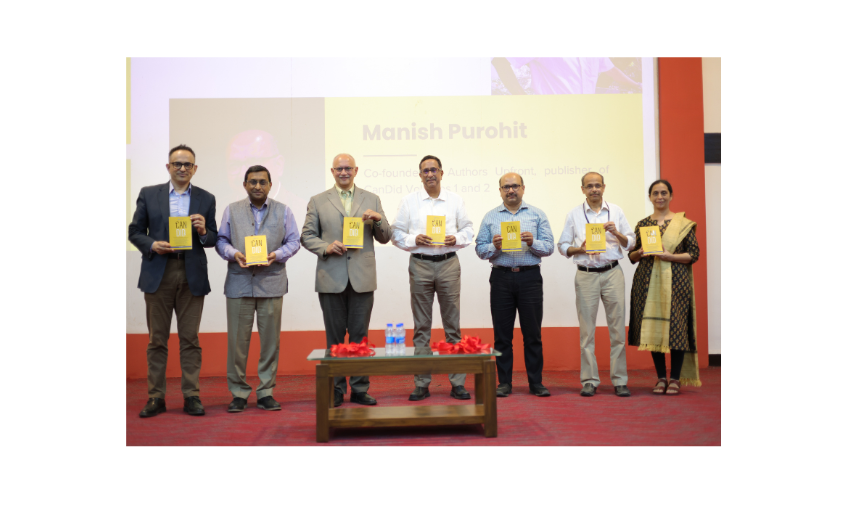
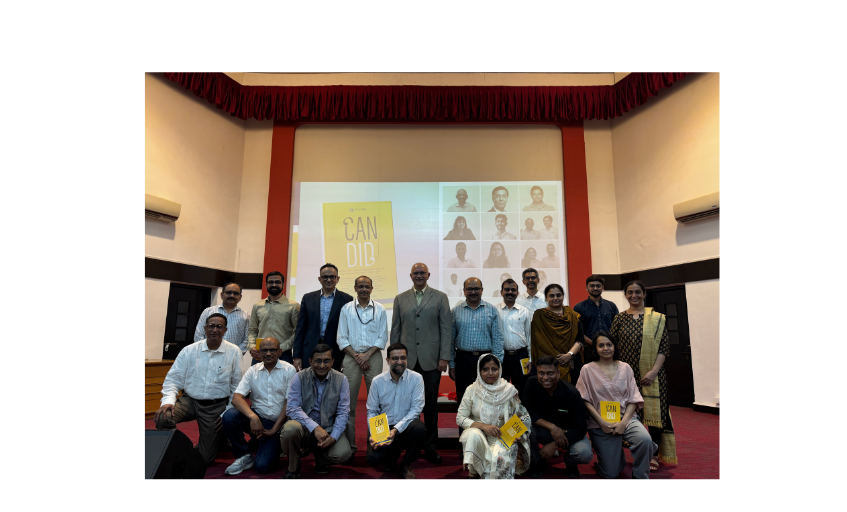
Authored by senior journalist N. Ramakrishnan, widely known as Ramki, CanDid moves away from polished startup narratives and instead focuses on the realities behind building science and technology-led ventures in India: long development cycles, failed experiments, commercialization challenges, pivots, uncertainty, and persistence.

The second volume features 15 startups from Venture Center’s ecosystem spanning healthcare, sustainability, energy, mobility, robotics, agriculture, materials science, and AI-enabled technologies.
Several of the themes Dr. Deshpande spoke about through the evening — understanding the real problem, building patiently over long cycles, defining markets carefully, and creating strong teams and culture — found reflection across the journeys captured in the book itself.
As Dr. Premnath Venugopalan reflected during the launch, CanDid aims to inspire future scientist entrepreneurs while honestly documenting the realities behind building deeptech ventures in India, without glamourizing the journey itself.

The publication was developed in collaboration with Manish Purohit, who also conceptualized the title CanDid — reflecting both candid conversations and the “Can Do, Did It” spirit behind the stories.

The evening also introduced CanDid Conversations, Venture Center’s new podcast series extending these founder journeys and ecosystem discussions beyond the pages of the book.
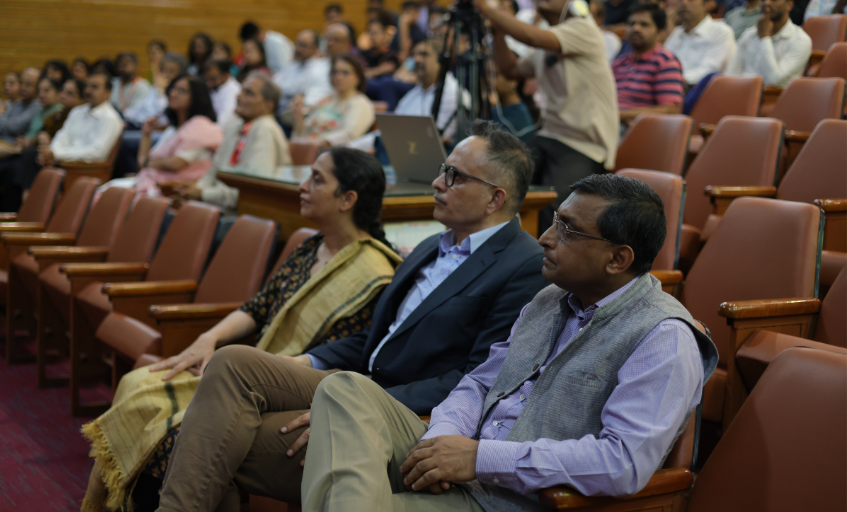
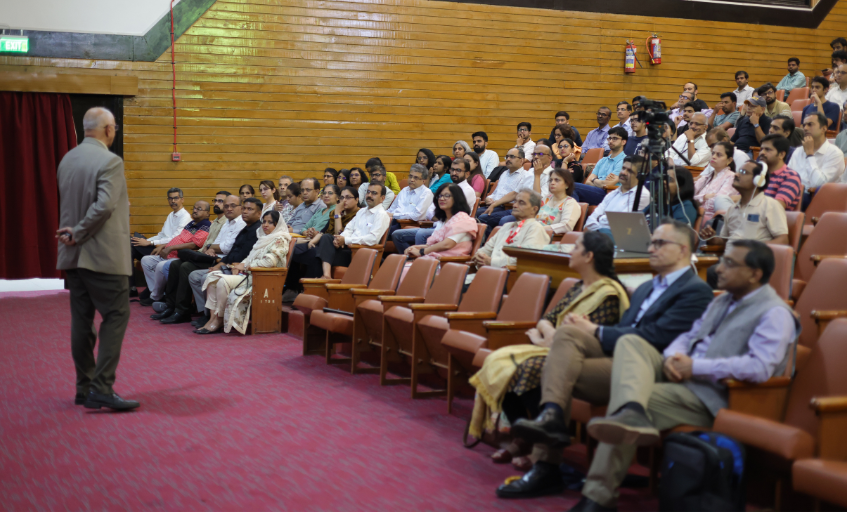
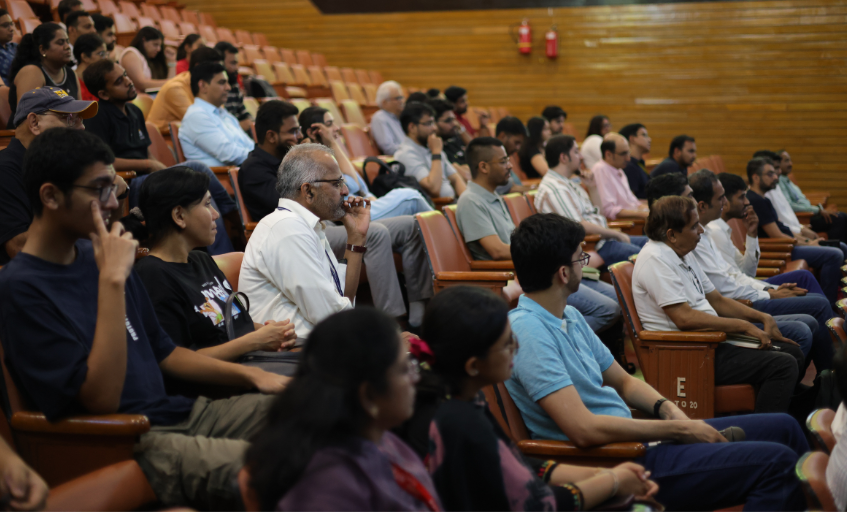
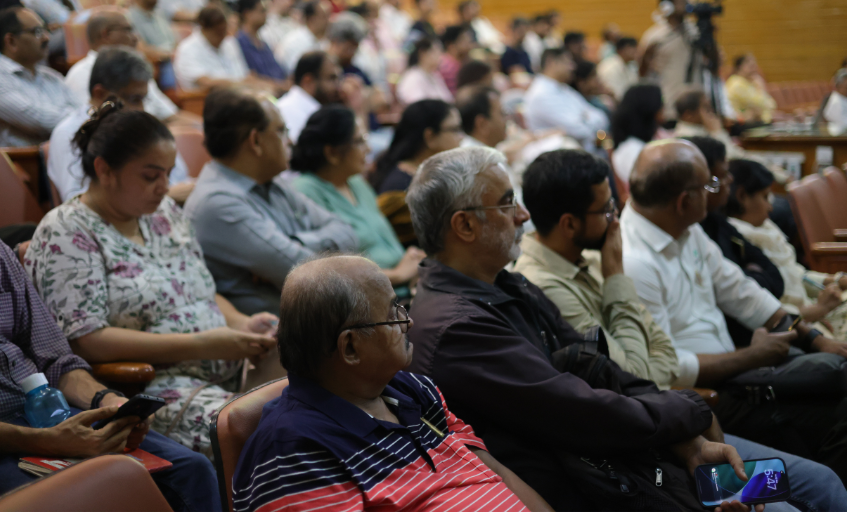
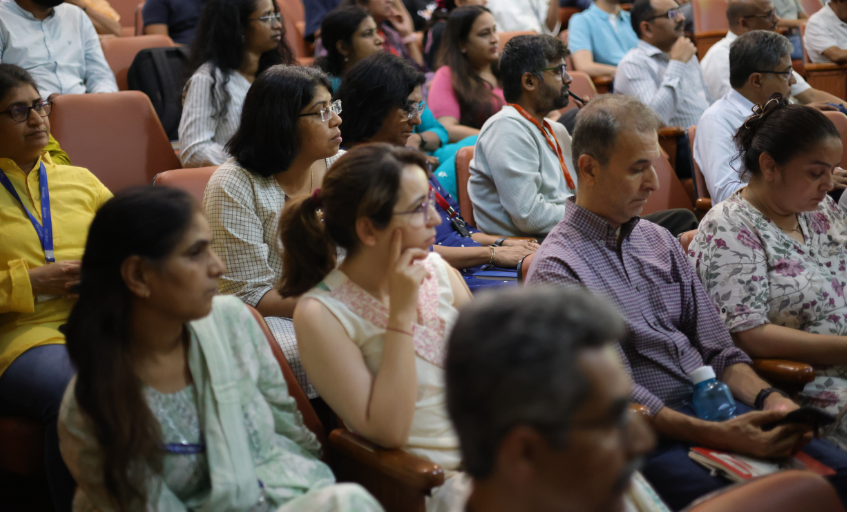
As the formal sessions concluded, conversations continued well across the auditorium, with founders, researchers, mentors, investors, and ecosystem builders exchanging experiences and reflections long after the event had officially ended — perhaps the clearest reminder that meaningful innovation is rarely built alone.