
The challenge is not innovation. It is translation.
India has never lacked scientific talent or groundbreaking ideas. Across research laboratories, hospitals, startups, and academic institutions, innovators continue to develop technologies with the potential to transform healthcare. Yet, for many of these innovations, the journey from discovery to deployment remains fraught with challenges. Product development, clinical validation, regulatory preparedness, manufacturing, and commercialization often unfold in isolation, making it difficult for promising technologies to reach the patients they are intended to serve.

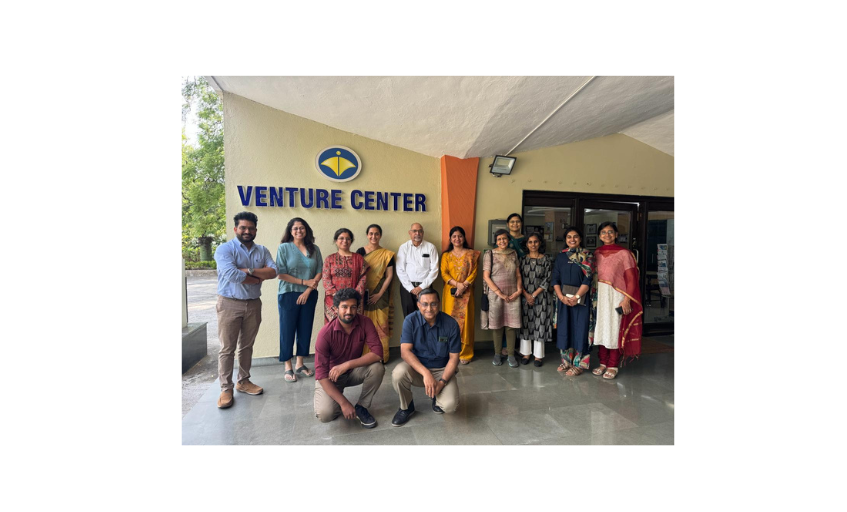
It was this challenge that set the tone for the BFI NAMAH Roadshow, hosted at Venture Center, where Dr. Sanchita Chaudhary, Program Director, BFI NAMAH, presented a compelling vision for strengthening India's MedTech innovation ecosystem. Bringing together researchers, clinicians, entrepreneurs, and ecosystem stakeholders, the session explored not only the philosophy behind Blockchain For Impact (BFI), but also the collaborative framework being built to support innovators from ideation to market.
From Crisis Response to Ecosystem Building
Tracing the origins of BFI, Dr. Chaudhary reflected on its evolution from the COVID-era Crypto Relief initiative, which mobilized resources to support India's healthcare response during the pandemic. While the initiative addressed immediate needs, it also revealed deeper systemic gaps. The challenge was not a lack of scientific capability or entrepreneurial ambition. Instead, innovators often struggled to navigate fragmented development pathways, limited clinical access, regulatory complexity, and the absence of coordinated support.

These lessons shaped BFI's next chapter. Rather than focusing solely on funding individual innovations, the organization expanded its mission toward strengthening India's healthcare and biomedical innovation ecosystem through strategic partnerships, infrastructure, and long-term ecosystem building. The objective was clear: create an environment where promising innovations could move beyond laboratories and into healthcare systems with greater confidence and continuity.
The Innovation Full Stack: Connecting Every Stage of the Journey
The vision ultimately led to the BFI Innovation Full Stack, an integrated framework that views MedTech innovation as a continuous journey rather than a sequence of disconnected milestones.
Dr. Chaudhary explained that a successful medical technology must move through several interconnected stages—from identifying an unmet clinical need and developing a viable product to clinical validation, regulatory readiness, manufacturing, deployment, and commercialization. When any one of these stages lacks adequate support, even the most promising innovations can lose momentum.
The Innovation Full Stack addresses this challenge through four complementary pillars: BFI NAMAH, Medical College Incubation Centers, District Sandboxes, and the Product Promotion Program. Together, they create an ecosystem where innovators receive the expertise, partnerships, and infrastructure required as their technologies mature, ensuring that every stage of the product lifecycle is connected to the next.

As one of the implementation hubs for BFI NAMAH, Venture Center contributes significantly to this vision by providing the ecosystem necessary for product realization. Its infrastructure, technical expertise, mentoring network, and regulatory support enable innovators to translate scientific discoveries into technologies that are ready for clinical and commercial adoption.

BFI NAMAH: From Ideation to Market Under One Roof
At the heart of the Innovation Full Stack is BFI NAMAH—the Nailwal MedTech Acceleration Hub—a Product Realization Accelerator built around the philosophy of "Ideation to Market Under One Roof."
Throughout the session, Dr. Chaudhary emphasized that developing a medical device requires far more than engineering excellence. Successful product realization depends upon integrating design refinement, prototyping, regulatory planning, quality systems, manufacturing readiness, clinical validation, and commercialization into a cohesive development pathway. By bringing these capabilities together, NAMAH enables innovators to focus on solving real healthcare challenges while receiving structured support throughout the product lifecycle.

This collaborative approach also underscores Venture Center's role within the initiative. Through its Protoshop, ISO 13485-certified MedTech Cleanroom, Regulatory Information and Facilitation Center (RIFC), and multidisciplinary mentoring ecosystem, Venture Center provides innovators with access to capabilities that are often dispersed across multiple institutions. Within BFI's hub-and-spoke model, these strengths complement those of partner organizations, creating a connected national network for MedTech innovation.
Innovation Thrives Through Collaboration
A recurring message throughout the roadshow was that meaningful healthcare innovation cannot happen in isolation. Clinicians are essential to identifying unmet clinical needs, refining product usability, and generating the evidence required for adoption. Medical College Incubation Centers therefore play a critical role in supporting clinical validation, ethics processes, and access to specialized expertise. Likewise, greater clarity around regulatory pathways enables innovators to make informed decisions much earlier in product development, reducing uncertainty as technologies progress toward deployment.
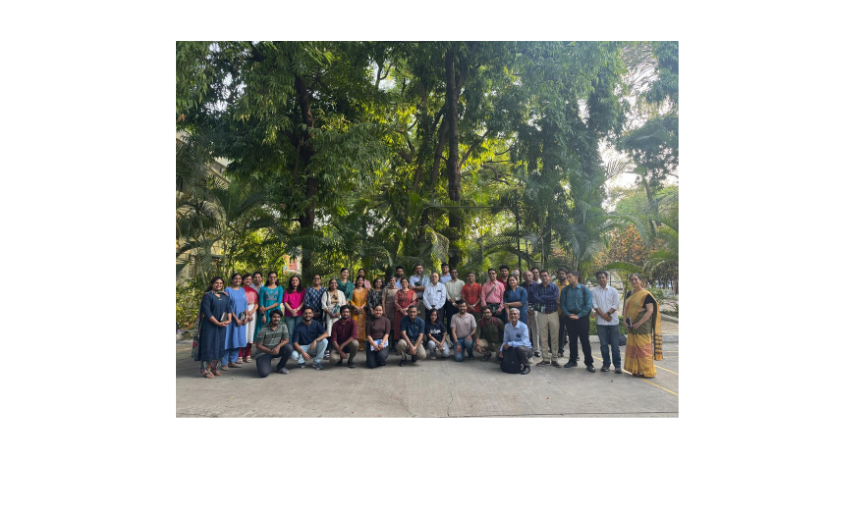
The roadshow itself reflected this collaborative philosophy, bringing together participants from diverse institutions to exchange perspectives and explore how stronger partnerships can accelerate MedTech translation.
Turning Vision into Opportunity
Beyond introducing the Innovation Full Stack, the session focused on enabling innovators to participate in it. Dr. Chaudhary guided attendees through the BFI NAMAH application process, explaining the program's objectives, eligibility criteria, funding pathways through the Interconnect App, proposal expectations, evaluation framework, and milestone-based approach. Participants were also introduced to the Innovator Handbook, a practical resource designed to simplify the application journey and help founders prepare stronger submissions.
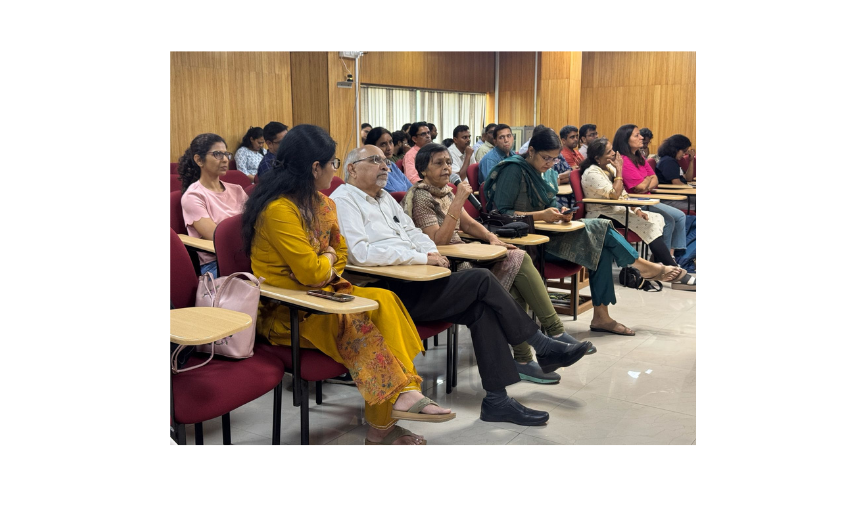
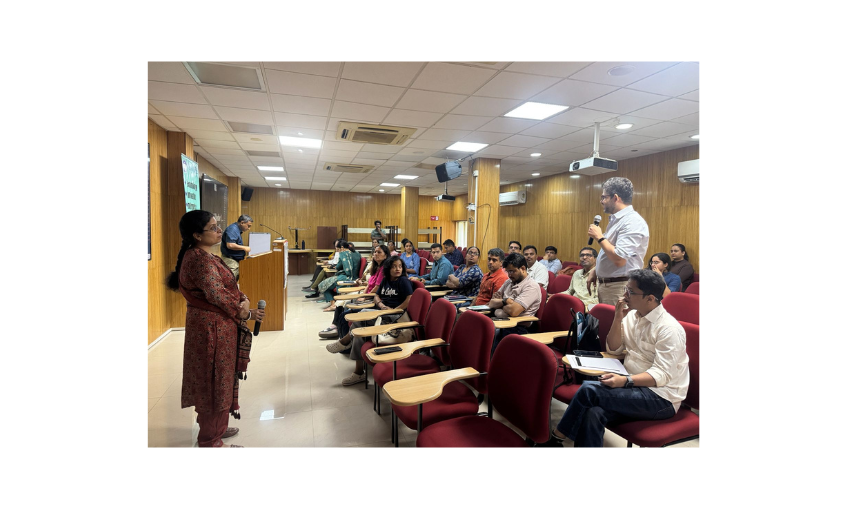
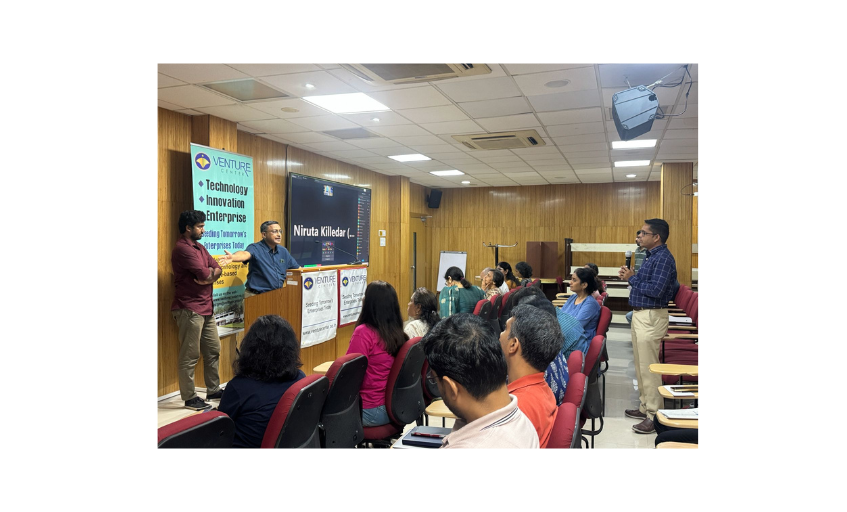
The interactive discussion that followed allowed researchers, clinicians, entrepreneurs, and startup founders to engage directly with the BFI NAMAH team, seek clarifications, and better understand how their innovations could align with the accelerator.

The roadshow ultimately conveyed a simple but significant message : advancing MedTech innovation requires more than exceptional ideas. It demands an ecosystem that connects researchers, clinicians, entrepreneurs, institutions, and infrastructure through every stage of the product journey. Through the combined strengths of the BFI Innovation Full Stack, BFI NAMAH, and implementation partners such as Venture Center, that ecosystem is steadily taking shape, creating new possibilities for healthcare innovations to move from the laboratory to the lives they are meant to improve.
Curious to learn more? Explore BFI NAMAH, its structured MedTech translation pathway, eligibility criteria, and application process on the BFI NAMAH page at Venture Center