

Our recent book club session at the Venture Center Library explored Goldratt’s Rules of Flow: The Principles of The Goal Applied to Projects by Efrat Goldratt-Ashlag—an insightful extension of the ideas many first encountered in The Goal, now applied to the world of projects.
|
|
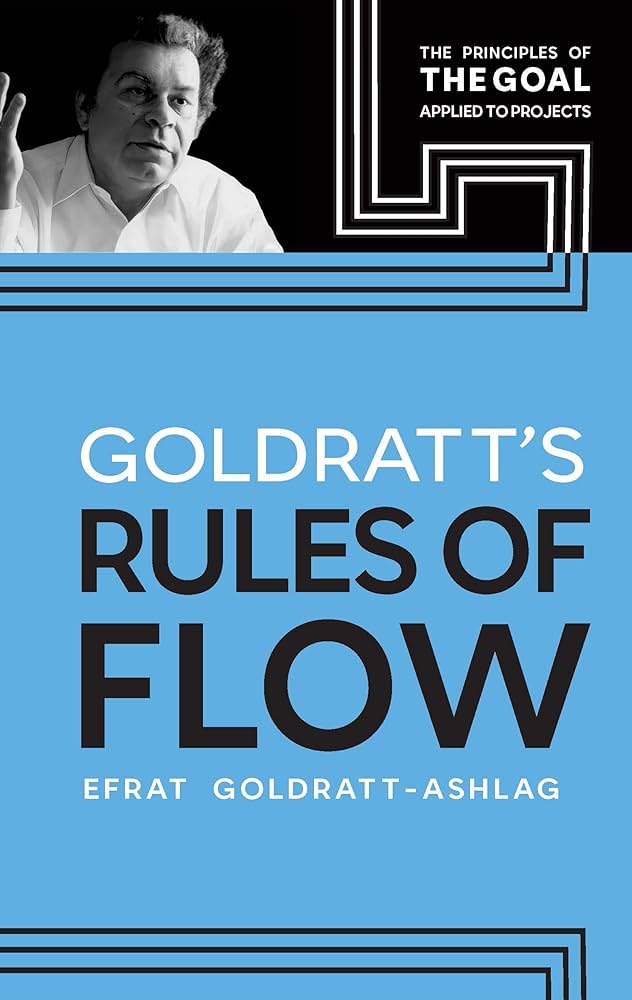
Projects vs Production: Why the Difference Matters
We began by asking a simple but powerful question: What makes projects fundamentally different from production processes?
Unlike production systems, projects are one-time efforts shaped by uncertainty, dependencies, and variability. This distinction helped frame why traditional efficiency thinking often falls short—and why managing flow becomes critical in project environments.
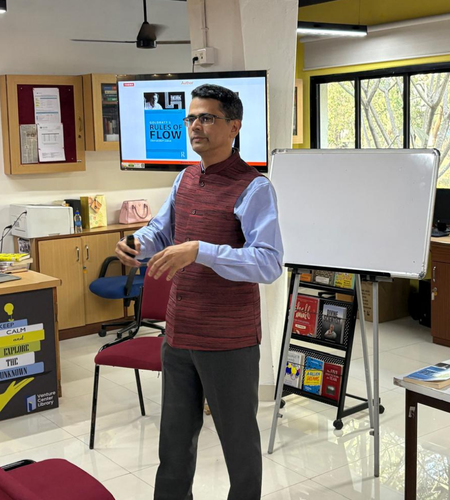

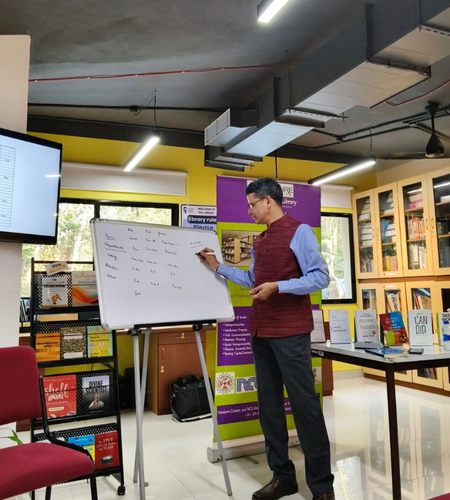
1/3
|
Understanding “Rules of Flow”We unpacked three core ideas from the book: projects, flow, and rules. A key insight stood out early—the “rules” in Goldratt’s work are guidelines, not rigid instructions. They are meant to sharpen decision-making, not replace judgment. This perspective encouraged open discussion and critical thinking rather than blind adoption. |
The Multitasking Myth (A Live Experiment)
One of the most engaging moments of the session was a hands-on multitasking exercise. Participants simulated working across three projects simultaneously and tracked the total completion time.
The result? Heavy task switching led to delays and frustration.

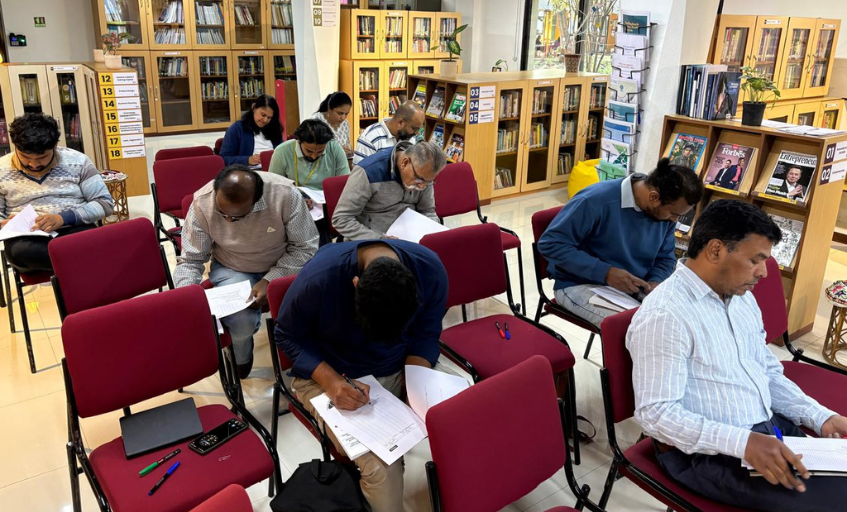
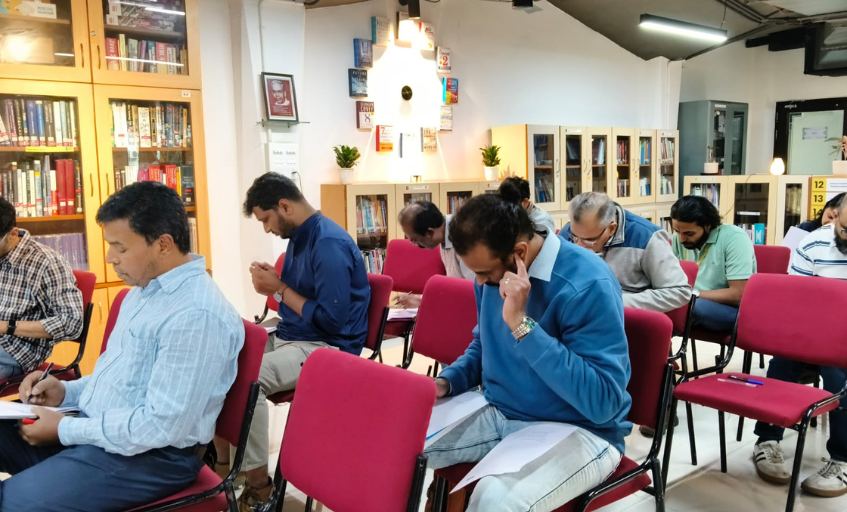
When the same work was repeated with a focus on one task at a time, completion time dropped dramatically. The takeaway was clear: Multitasking doesn’t mean everyone works on one project—it means finishing tasks before jumping to the next.
Is There Such a Thing as “Good Multitasking”?
This sparked an animated discussion from the audience. Is any form of multitasking actually beneficial?
Aniruddha responded with passion and practical examples, explaining how what we often label as “efficient multitasking” usually hides systemic inefficiencies. The conversation naturally expanded to other rules of flow from the book, grounded in real organizational contexts.
A Brief Introduction to CCPM
Towards the end, the discussion touched upon Critical Chain Project Management (CCPM)—linking buffers, constraints, and uncertainty back to the larger theme of predictable project delivery.
A Timeless Takeaway
The most striking realization was how relevant these principles remain today. Despite faster tools and tighter timelines, the fundamentals of flow, focus, and constraint-based thinking continue to offer clarity.
The session reminded us that while work evolves, the challenges of managing projects remain familiar—and that some of the most effective solutions are not new, but well-forgotten.
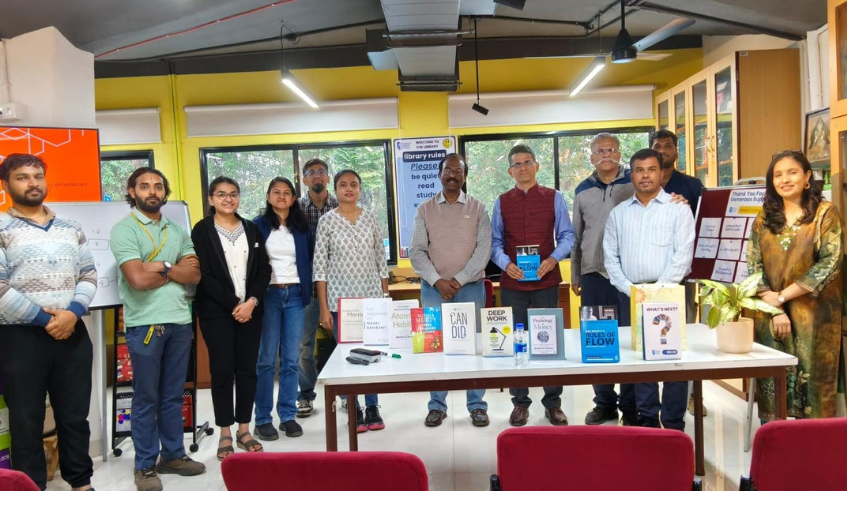

The Venture Center Library regulary hosts such insightful talks and events. To become a member, click here
You can join our WhatsApp community to stay updated here.