

“At the end of the year, our books look a lot like our lives—some finished, some paused, some returned to, and many still unresolved.”

In Mother Mary Calls to Me by Arundhati Roy, the author writes about her mother—about love and irritation, devotion and disagreement, memory and inheritance. She calls her “my shelter and my storm”—a phrase that holds tenderness and disturbance in the same breath, refusing simplification or neat resolution. That tension applies to books as well. They rarely arrive to behave.
It also explains why the Venture Center Library matters in ways that are not immediately obvious.
A steady room in an unsteady year
This was not a quiet year. Outside the library doors, days were crowded with deadlines, ambition, urgency, and the familiar pressure to move on to the next thing. Inside, the pace changed—not because problems disappeared, but because they were allowed to sit without demanding immediate answers.
The Venture Center Library does not ask what you are trying to achieve. You can arrive irritated, distracted, or halfway undone. You can read intently, reread something familiar, or sit in the courtyard with a book open and your thoughts elsewhere. The space holds without judgement. That steadiness makes room for thinking again.
Reading, without performance
Across the Venture Center ecosystem, reading followed no particular logic. People picked up books instinctively—seeking reassurance, friction, clarity, escape, or simply a pause from the noise. Some weeks were consumed by reading. Others barely touched a page.
Here, unfinished books didn’t feel like failure. They felt like conversations paused with the understanding that they could be resumed later.

Leadership, loss, and small re-calibrations
One reader turned to Ek Chaturastra Manus by Madhuri Shanbhag, a biography of J. R. D. Tata. What stayed was not spectacle, but restraint—the idea that leadership can be patient, values-led, and quietly effective. The book closed. The reassurance lingered.
Another reader held multiple emotional registers at once. The Travelling Cat Chronicles by Hiro Arikawa was finished completely, leaving behind a subdued ache—about companionship, endings, and the ordinary weight of love. Alongside it sat two books read in parts. The Psychology of Money by Morgan Housel reframed how risk, luck, and decision-making actually work in messy real life. The School of Essential Ingredients by Erica Bauermeister offered a quieter theme: attentiveness changes outcomes, whether in cooking or in relationships. These books didn’t need completion to do their work.
Some books asked very little and gave exactly that. An Arranged Murder by Chetan Bhagat entertained, concluded, and moved on. No moral accounting required. Sometimes, closure is enough.
Returning, resisting, reimagining
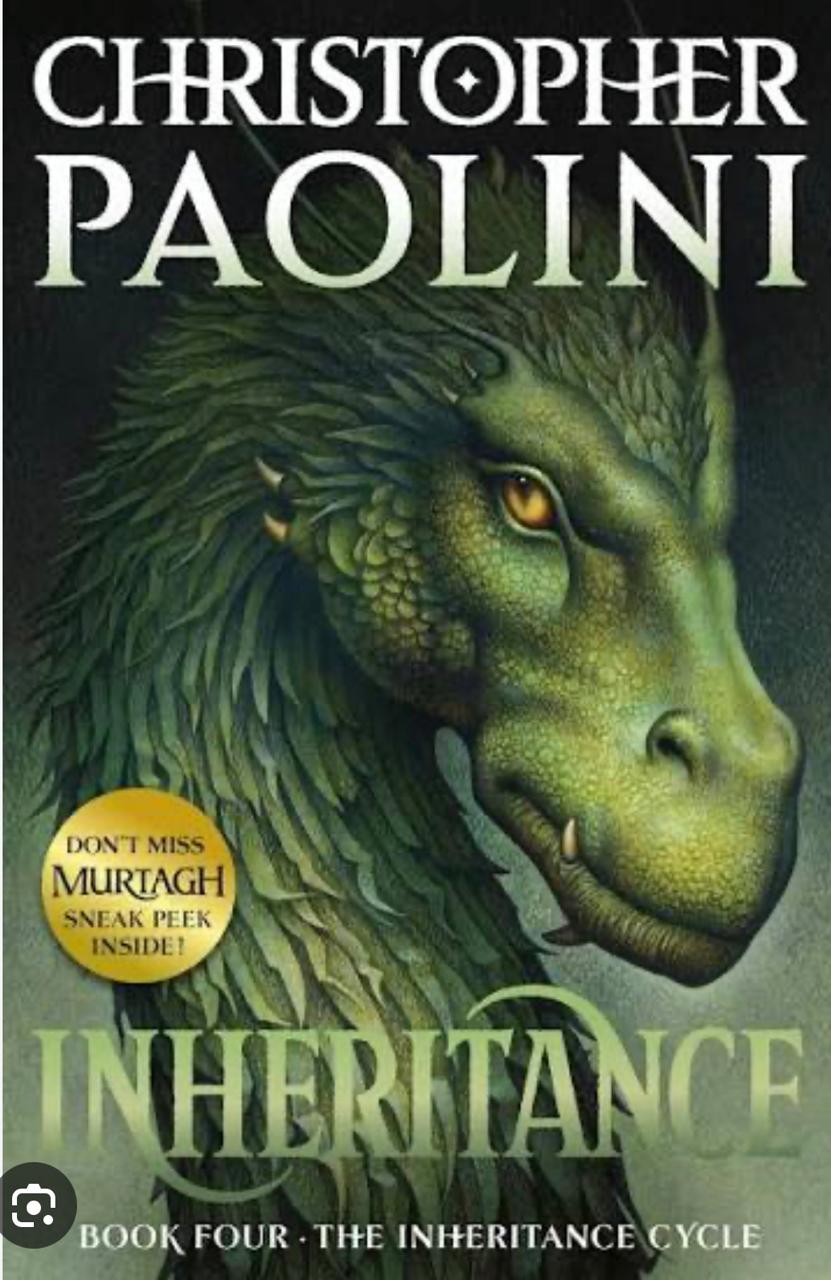
Other books were returned to, deliberately. Inheritance by Christopher Paolini was reread not for novelty, but familiarity—a known world revisited when life felt heavier than usual. Like a good dream, it worked precisely because it didn’t change. The reader, on the other hand, did.
Science fiction surprised one reader this year. Project Hail Mary by Andy Weir delivered technical ingenuity, but its lasting theme was cooperation. In a story shaped by isolation and survival, trust became hope. It was the kind of book that ended quietly, followed by a long pause.
Another reader arrived at fiction reluctantly. The Lord of the Rings by J. R. R. Tolkien demanded patience—its language, its poems, its many names. Months later, resistance gave way to awe. What emerged was not just admiration for world-building, but a recalibration of imagination itself.
Inner work, interrupted
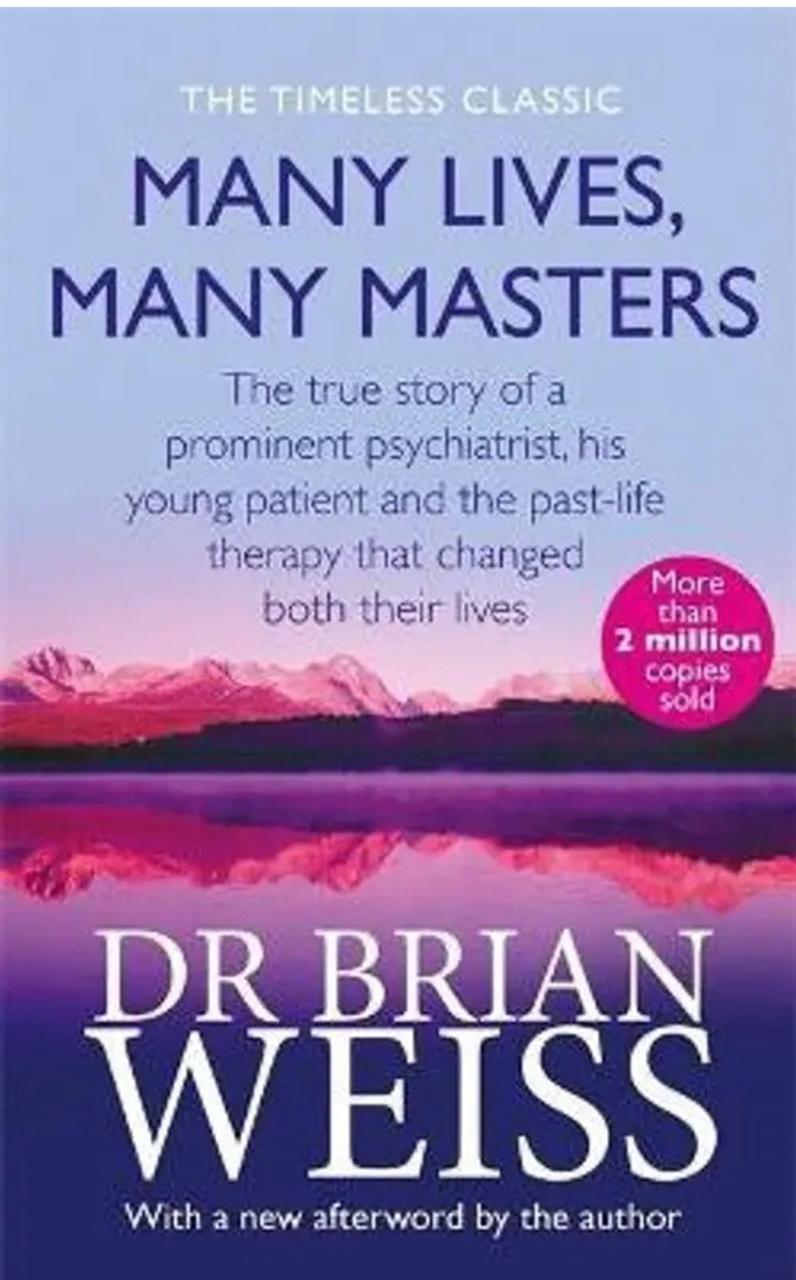
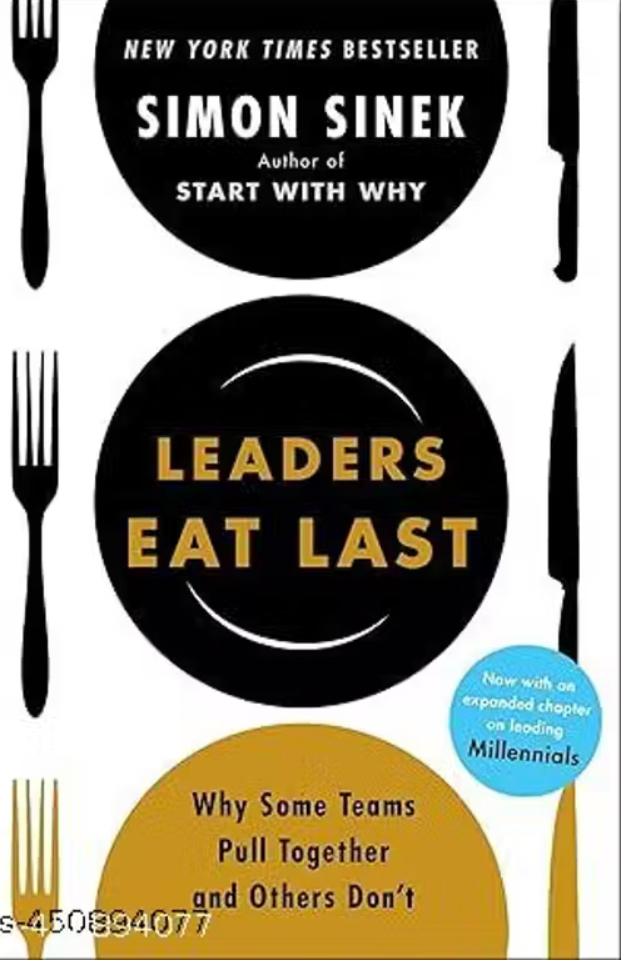
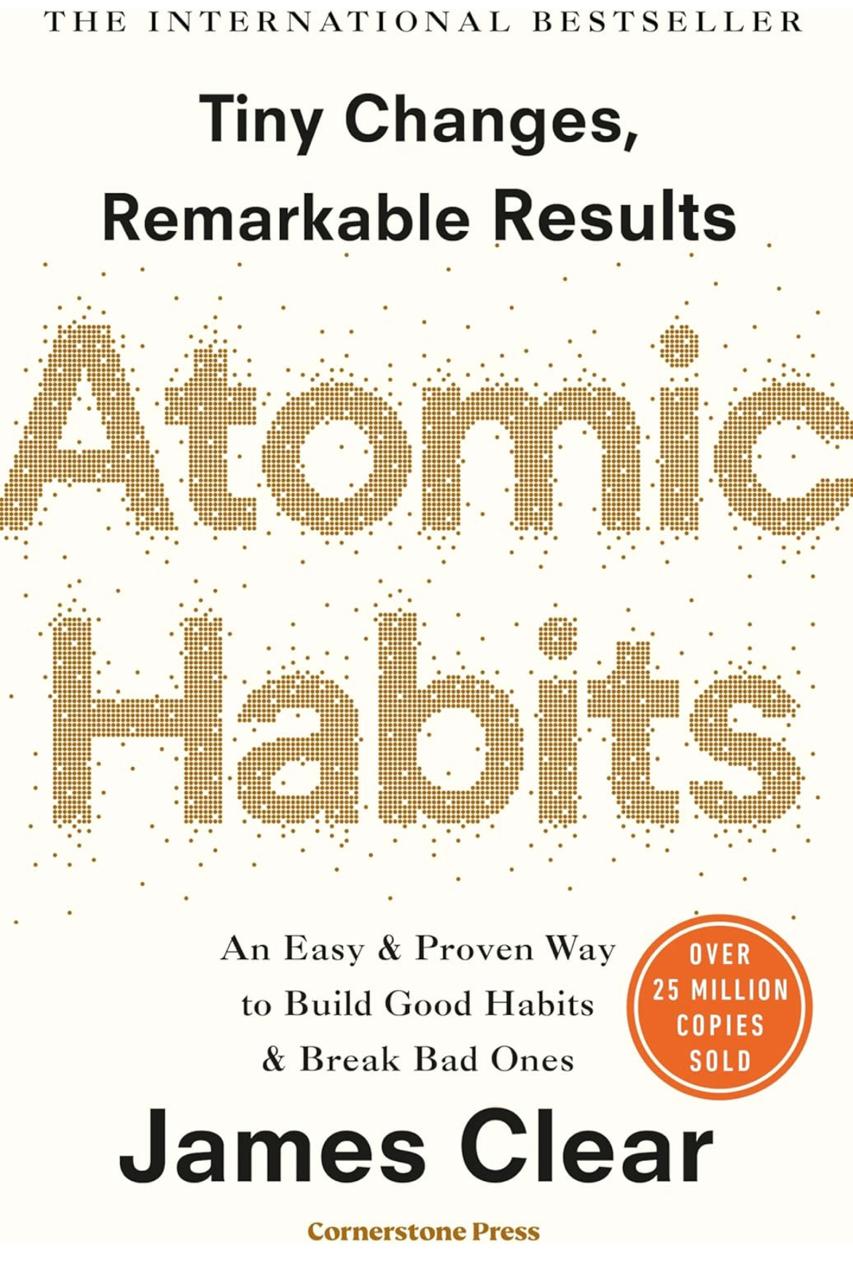
Some books pushed inward. Many Lives, Many Masters by Brian Weiss opened questions about fear and memory, suggesting that confronting fear loosens its grip. Leaders Eat Last by Simon Sinek and Atomic Habits by James Clear focused on structure—leadership rooted in empathy, change built through repetition. Useful ideas. Persistently inconvenient.
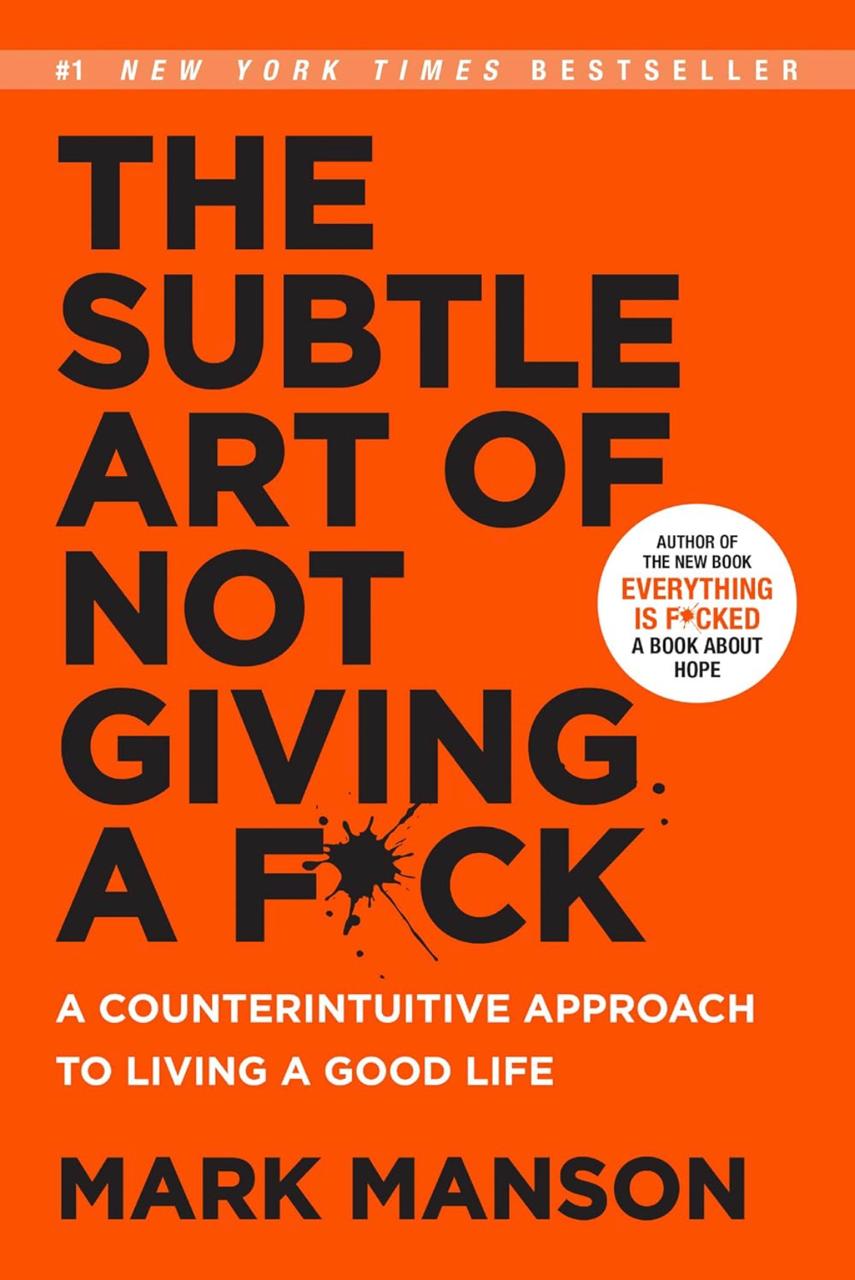
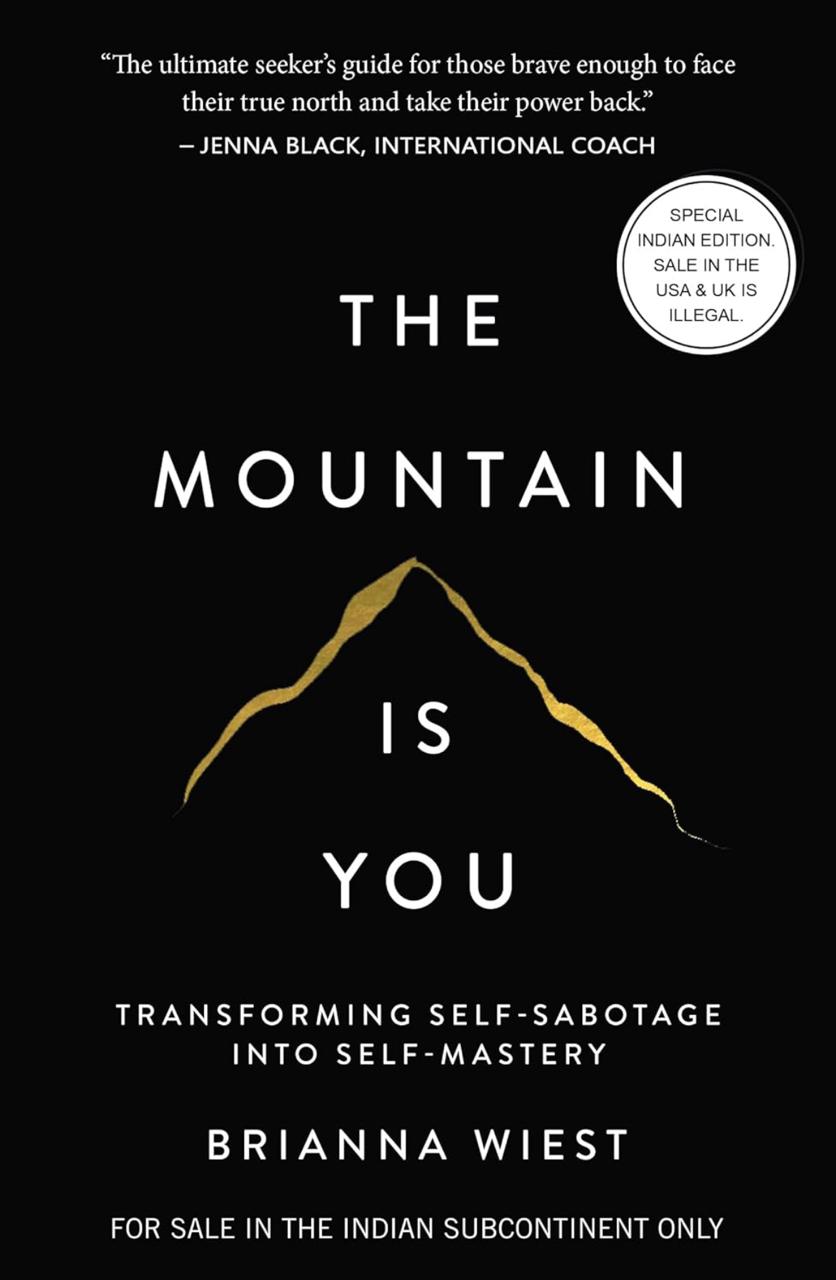
Other books paused mid-way not because they failed, but because life accelerated. The Subtle Art of Not Giving a Fck* by Mark Manson and The Mountain Is You by Brianna Wiest stalled. Deadlines arrived. Attention scattered. The bookmarks stayed put. The books waited. The calendar did not.
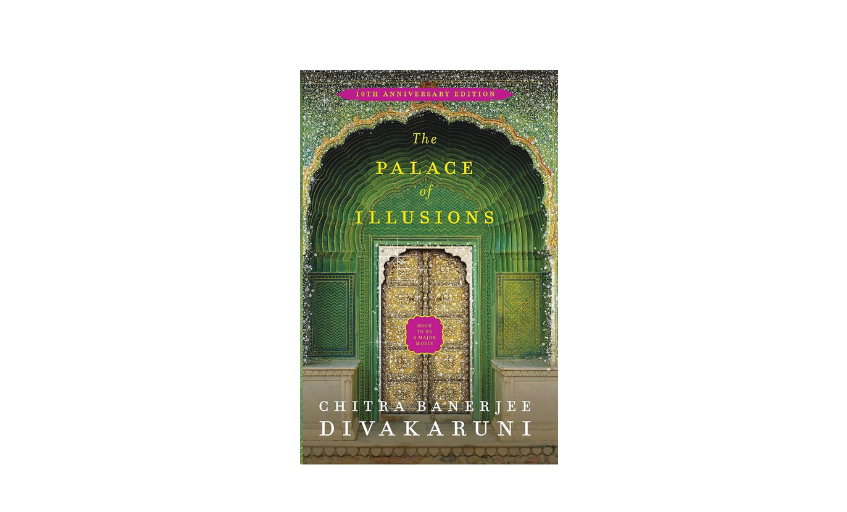
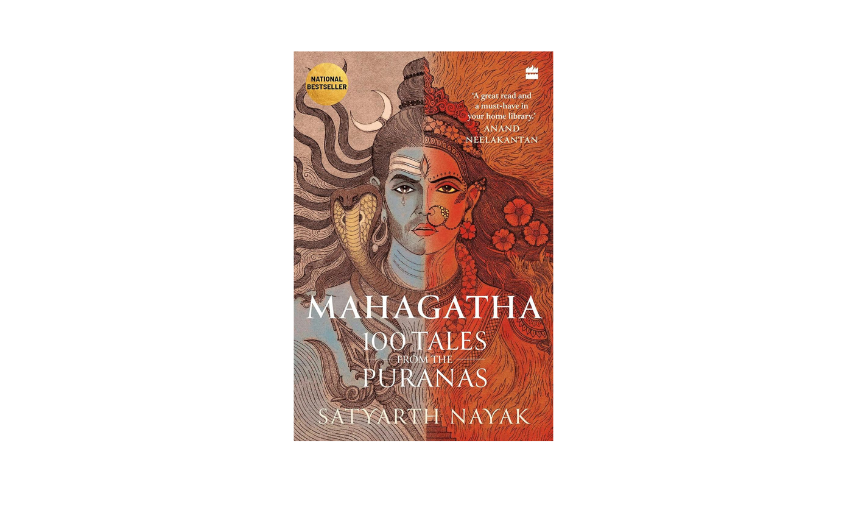
Faith returned through retelling. Mahagatha by Satyarth Nayak and The Palace of Illusions by Chitra Banerjee Divakaruni restored moral grounding through familiar stories seen anew. Sapiens by Yuval Noah Harari waits next, promising perspective and mild existential unease.

Some books remain unread. Don’t Believe Everything You Think by Joseph Nguyen waits for the right mental space. The 80/20 Principle by Richard Koch is being read with cautious hope.
Stories of building resonated too. Made in Japan: How Sony Became Successful by Akio Morita reflected patience and long-term thinking. Who Will Cry When You Die by Robin Sharma waits nearby, asking a question best approached slowly.
What stays open
Taken together, these books mirror how people work at Venture Center—testing ideas, returning to old ones, setting some aside without apology. Learning is iterative. Progress resists straight lines.
The Venture Center Library gives that process a physical form. It holds half-read chapters, rereads, and unfinished thoughts without judgement. You step in carrying unfinished tasks and step out slightly more oriented—not because answers appear, but because urgency loosens its grip.
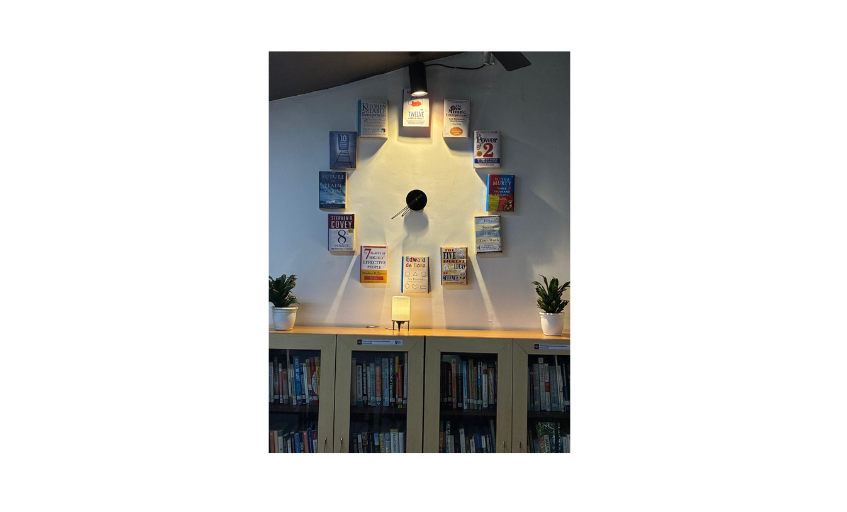

Some pages remain unturned. Some stories beg to be retold. And some, like the year ahead, carried forward - open, unfinished, and still unread.
The Venture Center Library remains open to anyone who needs that pause—whether to finish a book, return to an old one, or simply sit quietly for a while before stepping back into the year ahead. To become a member click here
You can join our WhatsApp community to stay updated here